
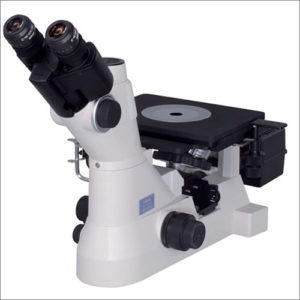

Metallographic Microscope
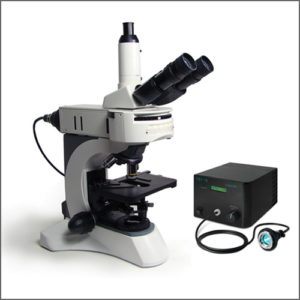
Metallographic (metallurgical) microscope is used to study of the physical structure and components of metals and alloys.
- Description
| Testing Method | Metallographic Microscope |
| Description | Metallography or metallurgy is the study of the structure of metals and alloys. Metallographic microscope can be used as a tool to help identify a metal or alloy, to determine whether an alloy was processed correctly, to examine multiple phases within a material, to locate and characterize imperfections such as voids or impurities, or to observe damaged or degraded areas in failure analysis investigations. In short, metallographic microscope can reveal a great deal about the past history of a metal specimen, and how it will act in service. |
| More Information | Wikipedia: Metallography |
Related Products
-
Fluorescence Microscope
Fluorescence microscope uses fluorescence and phosphorescence to study properties of organic or inorganic substances.
-
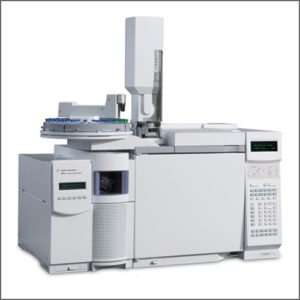
Gas Chromatography with FID/TCD/MS Detectors
Gas chromatography (GC) is used in analytical chemistry for separating and analyzing compounds that can be vaporized without decomposition.
-
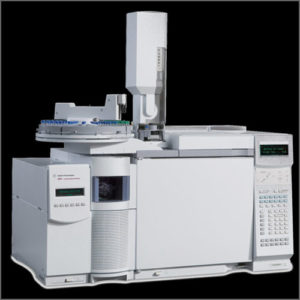
Gas Chromatography – Mass Spectrometry (GC-MS)
Gas chromatography – mass spectrometry (GC-MS) combines the features of gas chromatography and mass spectrometry to identify different substances within a test sample.
-
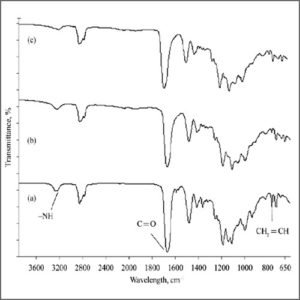
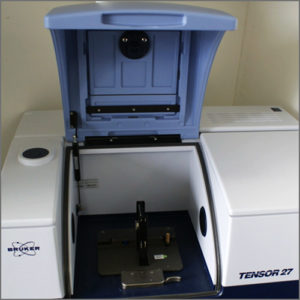
Fourier Transform Infrarred Spectroscopy (FTIR)
Fourier Transform-Infrared Spectroscopy (FTIR) is an analytical technique used to identify organic (and in some cases inorganic) materials.
-
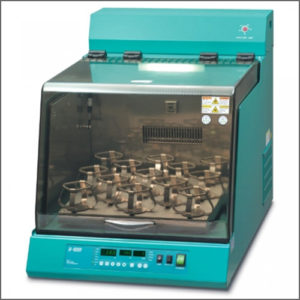
Shaking Incubator
Shaking incubator is often used for cell culturing, cell aeration, and solubility studies.